Sì, in genere le confezioni in vetro sono più efficaci di quelle in plastica nel preservare l'efficacia dei prodotti per la cura della pelle. Tuttavia, la plastica vince in termini di praticità e costo. L'ascesa della "clean beauty" ha portato la bellezza sostenibile e la sostenibilità in primo piano. Ora ti trovi di fronte a una vera scelta tra confezioni in vetro e in plastica. Dai più importanza all'efficacia del siero o alla praticità da portare in palestra? Confrontiamo quattro aree chiave: conservazione del prodotto, impatto ambientale, sicurezza ed esperienza d'uso. La tua decisione dipende dal tipo di prodotto e dal tuo stile di vita. Una crema idratante densa si adatta meglio a contenitori pesanti. Una crema solare leggera si adatta meglio alla plastica. Le tue scelte in fatto di packaging influenzano sia la salute della tua pelle che il futuro del pianeta. Considera il cosmetico al suo interno. Considera il suo impatto. Non esiste una risposta univoca.
Le confezioni in vetro preservano l'efficacia dei prodotti per la cura della pelle bloccando la luce e l'aria, prevenendo così il deterioramento degli ingredienti.
Il vetro è riciclabile all'infinito senza perdita di qualità, il che lo rende una scelta più sostenibile rispetto alla plastica.
Il vetro elimina il rischio di rilascio di sostanze chimiche dalla plastica, come BPA e ftalati, nei vostri prodotti.
La plastica offre praticità e leggerezza a un costo inferiore, ma il vetro garantisce una sensazione di qualità superiore e una migliore protezione.
Per i sieri da utilizzare quotidianamente e le formule con principi attivi, scegli il vetro; per gli articoli da viaggio, opta per la plastica, in modo da conciliare sostenibilità e praticità.
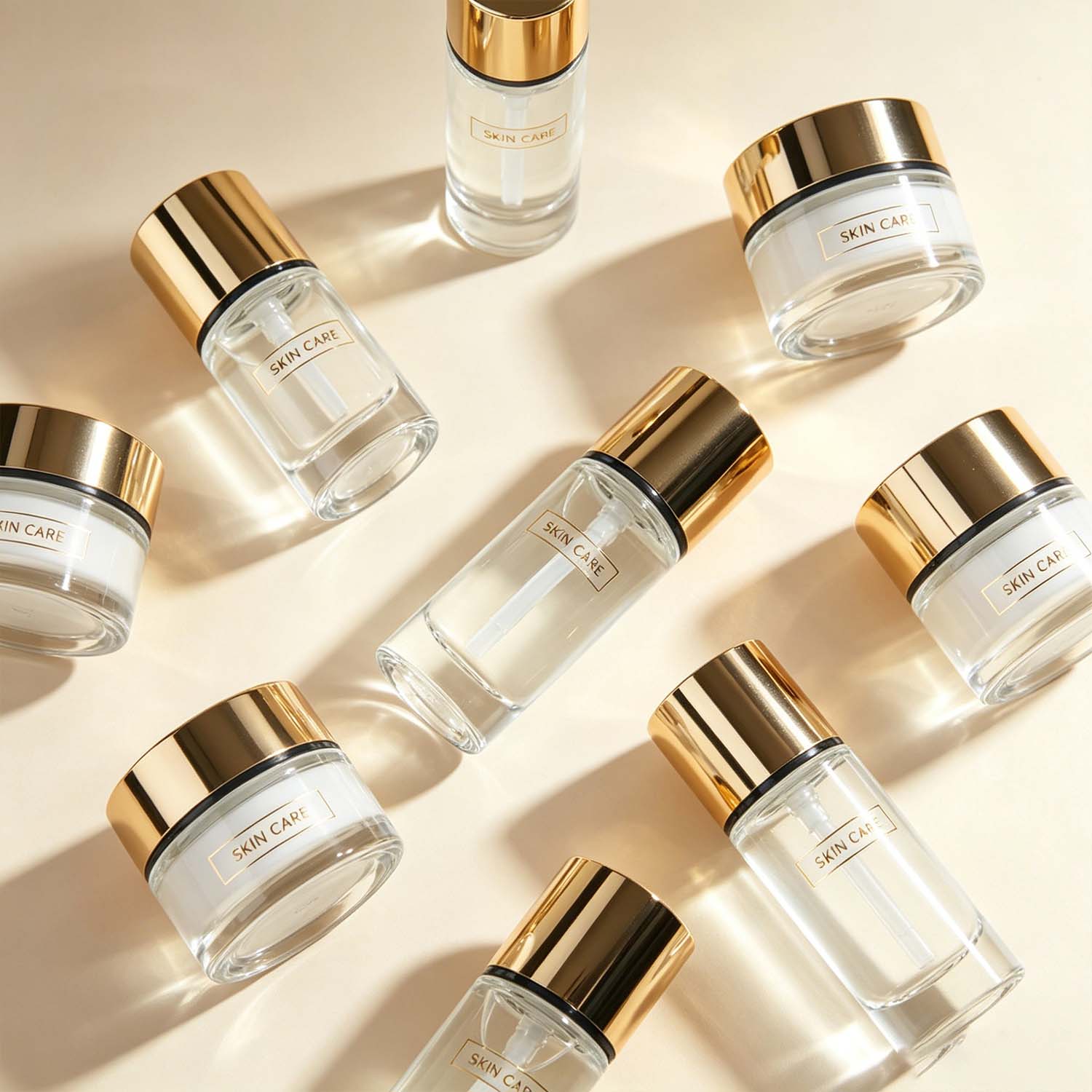
L'integrità del prodotto influisce direttamente sulle prestazioni di sieri e creme. Il packaging che scegli gioca un ruolo fondamentale in questo. Ti affidi ad esso per proteggere il tuo investimento. Scopriamo come confezioni in vetro per prodotti per la cura della pelle mantiene tale integrità rispetto alla plastica.
Si acquistano sieri costosi per la loro elevata concentrazione di principi attivi. Si desidera che questi ingredienti rimangano stabili ed efficaci. Quando si conserva un principio attivo potente come la vitamina C o il retinolo, ci si aspetta stabilità. L'ultima cosa che si desidera è una reazione tra la formula e il suo contenitore.
Il vetro è chimicamente inerte, il che significa che non interagisce facilmente con il prodotto al suo interno. Questo lo rende ideale per preservare la purezza e la stabilità della formula, aspetto fondamentale per prevenire l'interazione tra gli ingredienti.
Le materie plastiche presentano diversi gradi di resistenza.
HDPE: Apprezzato per la sua resistenza chimica, ma non completamente inerte come il vetro.
PET: Buona resistenza agli oli e agli alcoli, ma reattivo con alcuni solventi.
Vetro: chimicamente inerte, ideale per prevenire reazioni chimiche.
La classificazione della resistenza chimica tra le plastiche comuni è PET > PE > PP. Anche la plastica migliore non raggiunge la barriera inerte offerta da questo materiale. Questa attenzione all'integrità del prodotto cosmetico garantisce che il tuo cosmetico rimanga puro come il giorno in cui l'hai acquistato. Scegliere un imballaggio in vetro protegge ulteriormente questa integrità del prodotto.
Due nemici principali attaccano silenziosamente le formule dei tuoi prodotti per la cura della pelle: i raggi UV e l'ossigeno. Questi degradano i principi attivi nel tempo e ne riducono significativamente la durata di conservazione. Il vetro ambrato offre un efficace sistema di difesa per i tuoi prodotti.
Questo tipo di vetro assorbe efficacemente quasi tutte le radiazioni nelle porzioni ultravioletta e blu dello spettro, in genere fino a circa 450 nanometri. Bloccando queste specifiche lunghezze d'onda, il vetro ambrato contribuisce a prevenire le reazioni fotochimiche che possono degradare i prodotti fotosensibili.
Confronta i numeri:
Materiale | Trasmissione UV | Blocco dei raggi UV |
|---|---|---|
Vetro trasparente | 80-90% | 10-20% |
Vetro ambrato | ≤1% (sotto i 450 nm) | Fino al 99% (sotto i 450 nm) |
I contenitori trasparenti lasciano passare circa il 75% dei raggi UVA. Questo è in netto contrasto con questo mezzo, che blocca fino al 99% dei raggi UV al di sotto dei 450 nm. Ecco perché i marchi premium usano contenitori scuri. Flaconi in vetro per prodotti per la cura della pelle per i loro oli. Investono in Flaconi in vetro personalizzati per prodotti per la cura della pelle coniugare estetica e funzionalità di conservazione. Questa scelta di imballaggio supporta direttamente l'integrità del prodotto.
L'esposizione all'ossigeno provoca ossidazione. La vitamina C e il retinolo subiscono la stessa sorte di una mela tagliata a fette che diventa marrone.
Le resine PE/PP standard hanno un tasso di trasmissione dell'ossigeno compreso tra 1.000 e 2.000 cc/m²·giorno·atm.
I sistemi di barriera ad alte prestazioni mirano a tassi inferiori a 0,1 cc/m²·giorno per proteggere i composti delicati.
Il PET ha una migliore barriera all'ossigeno rispetto all'HDPE.
Offre un'eccellente barriera contro l'ossigeno. Riduce al minimo l'ossidazione della vitamina C e previene la degradazione del retinolo. Le plastiche monostrato standard lasciano passare una certa quantità di ossigeno. Questo è adatto ai sieri con conservanti potenti. Per il massimo livello di protezione, il confezionamento in vetro è la scelta migliore. Mantiene la purezza e prolunga la durata di utilizzo. La scelta del materiale determina direttamente per quanto tempo i vostri prodotti rimangono efficaci. Il vetro vi permette di beneficiare appieno di ogni goccia.
Per comprendere appieno l'impatto ambientale di un acquisto, è necessario guardare oltre lo scaffale del negozio. Bisogna considerare l'intero percorso, dall'estrazione delle materie prime allo smaltimento a fine vita. Questa prospettiva rivela sorprendenti compromessi tra vetro e plastica. La tua scelta di oggi ha ripercussioni sull'intera catena di approvvigionamento.
Probabilmente gettate i contenitori vuoti negli appositi contenitori per la raccolta differenziata con le migliori intenzioni. Ma non tutti i materiali si riciclano allo stesso modo. Il vetro si distingue dalla plastica per un aspetto fondamentale: può essere riciclato all'infinito senza alcuna perdita di qualità. Ogni bottiglia riciclata diventa una nuova bottiglia con la stessa purezza. Non si verifica alcun degrado. Non c'è alcun downcycling. Questo ciclo infinito rende le bottiglie di vetro riciclabili una scelta eccellente per la vostra routine quotidiana.
La plastica racconta una storia diversa. Il riciclo della plastica in genere si traduce in un degrado del materiale. Il materiale si degrada e perde le sue proprietà originali nel tempo. Le diverse plastiche hanno limiti diversi. Il LDPE può resistere fino a 40 cicli di riciclo. Le bottiglie in PET possono sopravvivere a dieci o più cicli per essere trasformate in nuove bottiglie. L'HDPE mantiene buone proprietà per i primi 10 cicli. Il polipropilene mantiene una qualità sufficiente per circa 10 cicli. Superati questi limiti, la plastica diventa un materiale di qualità inferiore. Diventa panchine da parco o fibre tessili invece di nuove bottiglie. Questa limitazione significa che la plastica non potrà mai eguagliare il ciclo chiuso del vetro.
Questa realtà rende il vetro una scelta più efficace per la sostenibilità degli imballaggi. Con ogni contenitore di vetro acquistato, contribuisci a una vera economia circolare. Il vetro non necessita di alternative biodegradabili perché non si degrada mai. Ritorna nel ciclo produttivo per sempre. Questa permanenza lo rende più prezioso dei materiali biodegradabili che si decompongono dopo un singolo utilizzo. La riciclabilità del vetro rimane costante per innumerevoli cicli.
Alcuni marchi ormai riconoscono questo vantaggio. Licenza potrebbe offrire un programma di ritiro per le sue bottiglie di vetro. Questo approccio garantisce che le bottiglie vengano restituite per essere riutilizzate anziché finire tra i rifiuti. Queste bottiglie vengono pulite e riempite di nuovo, continuando a svolgere la loro funzione. Questo impegno per gli imballaggi riciclabili rafforza le tue abitudini ecocompatibili. Sai che la tua bottiglia vuota contribuirà alla produzione di nuovi imballaggi.
Il processo produttivo complica notevolmente la decisione. La produzione del vetro richiede più energia rispetto alla plastica. Le alte temperature necessarie per fondere la silice consumano una notevole quantità di carburante. Questo crea un debito di carbonio iniziale più elevato. Questo costo ambientale viene sostenuto in anticipo, prima ancora di poter beneficiare di eventuali vantaggi derivanti dal riciclo. Questo investimento energetico rappresenta il principale argomento contro il vetro.
Il fattore peso introduce un'ulteriore sfida. Una bottiglia di vetro può pesare fino a 40 volte di più di una bottiglia in PET dello stesso volume. Questa disparità crea uno svantaggio strutturale durante la distribuzione. I contenitori più pesanti aumentano il consumo di carburante e generano maggiori emissioni di carbonio.
Vetro: pesante e costoso da trasportare, contribuisce a un maggiore consumo di carburante. Plastica: leggera e più facile da spedire in grandi quantità, riducendo le emissioni.
Questo aumento di peso comporta un minor numero di unità spedite per ogni carico di camion con il vetro. Le ricerche dimostrano che ridurre del 8% il peso delle bottiglie di vetro diminuisce le emissioni durante il trasporto. Gli imballaggi in vetro più leggeri diventano più competitivi rispetto a quelli in plastica sulle lunghe distanze.
Il calcolo della sostenibilità deve includere questa fase di trasporto. Il ciclo di vita dell'imballaggio comprende sia costi che benefici per ciascun materiale. Il vetro offre una riciclabilità superiore e un potenziale di riciclo infinito. La plastica offre un peso inferiore e minori emissioni durante il trasporto. Nessuna delle due opzioni rappresenta una soluzione perfetta. Le vostre priorità determinano quale fattore è più importante.
Per i marchi che puntano a un packaging sostenibile per i prodotti per la cura della pelle, la risposta spesso risiede nell'ottimizzazione. L'utilizzo di vetro riciclato riduce significativamente il fabbisogno energetico. Alleggerire le bottiglie di vetro minimizza le emissioni derivanti dal trasporto. La scelta di fornitori locali accorcia le distanze di spedizione. Queste strategie aiutano il vetro a competere in termini di impatto ambientale, preservandone al contempo i vantaggi in termini di riciclo.
Comprendere appieno questo quadro generale può migliorare la tua routine di cura della pelle. Potrai fare scelte consapevoli in linea con i tuoi valori. Il vetro offre una soluzione di alta qualità e riciclabile. La tua scelta influenza sia il tuo impatto personale che la tua esperienza quotidiana. Un packaging sostenibile per i prodotti per la cura della pelle inizia con la comprensione dell'intero ciclo di vita.
La tua pelle assorbe ciò che applichi. Il contenitore del prodotto è importante tanto quanto la formula al suo interno. Alcune plastiche contengono sostanze chimiche che possono migrare nei prodotti per la cura della pelle. Comprendere questi rischi ti aiuta a fare scelte più sicure per il tuo corpo.
Gli imballaggi in plastica spesso contengono additivi che destano preoccupazione per la salute. Il bisfenolo A (BPA) è un noto interferente endocrino. Può causare disturbi ormonali e del sistema immunitario, malattie della pelle e cancro. Anche i ftalati rappresentano un pericolo. Queste sostanze chimiche sono collegate a malformazioni congenite e sono classificate come cancerogeni per l'uomo. I produttori utilizzano ampiamente i ftalati in cosmetici, smalti per unghie, lacche per capelli, deodoranti, shampoo, bagnoschiuma e profumi. Molti di questi prodotti sono confezionati in contenitori di plastica.
Le sostanze interferenti endocrine imitano gli estrogeni naturali presenti nell'organismo. Alterano l'equilibrio ormonale e stimolano la crescita di tumori dell'apparato riproduttivo. Compromettono la fertilità e possono causare problemi durante la gravidanza. La dottoressa Shanna Swan spiega che il BPA e i ftalati vengono rilasciati dalle materie plastiche quando riscaldate. Il BPA imita gli estrogeni, alterando l'equilibrio ormonale e potenzialmente alimentando la formazione di tumori. I ftalati interferiscono con i livelli di testosterone. Una revisione pubblicata su The Lancet Child & Adolescent Health conferma che l'esposizione a queste sostanze durante l'infanzia danneggia il cuore, gli ormoni e il cervello.
Gli organismi di regolamentazione riconoscono questi pericoli. L'UE vieta completamente il BPA e i ftalati nei cosmetici. Il BPA è ufficialmente classificato come tossico per la riproduzione e come interferente endocrino. Gli Stati Uniti adottano un approccio frammentario. La legislazione modello del Toxics in Packaging Clearinghouse (TPCH) vieta l'introduzione intenzionale di ftalati negli imballaggi. Diciannove stati, tra cui California, New York e Washington, hanno adottato questa legislazione. Il Maine vieta i ftalati negli imballaggi alimentari. Il Vermont elenca 13 ftalati come sostanze chimiche ad alta preoccupazione.
Gli imballaggi in vetro eliminano completamente questa categoria di rischio. I contenitori in vetro non rilasciano sostanze chimiche nei prodotti. Questo rende il vetro un'opzione più salutare per le pelli sensibili o le donne in gravidanza. Si evita completamente l'esposizione a interferenti endocrini. Il cosmetico rimane puro dal primo all'ultimo utilizzo.
Il vetro presenta un innegabile svantaggio: può rompersi. Un barattolo caduto in bagno può generare schegge pericolose. Una bottiglia rotta nella borsa da viaggio può rovinare i vostri effetti personali. La plastica offre la praticità di un materiale infrangibile in queste situazioni.
Considera il contesto d'uso. I prodotti che non vengono risciacquati, come sieri e creme idratanti, rimangono sulla pelle per ore. Vengono assorbiti nel flusso sanguigno. Il rischio per la salute derivante dal rilascio di sostanze chimiche supera il rischio fisico di rottura per questi prodotti. Tu controlli con quanta cura maneggi i flaconi. Non puoi controllare cosa si trasferisce dalla plastica alla tua formula.
I produttori offrono dei compromessi. Il vetro temperato resiste alla rottura meglio del vetro standard. Le custodie protettive offrono un'ulteriore protezione durante il trasporto. Queste opzioni consentono di godere dei vantaggi in termini di sicurezza degli imballaggi in vetro senza sacrificarne la durata. La scelta dell'imballaggio influisce sulla tua salute. Scegli il vetro per i prodotti di uso quotidiano. Riserva la plastica alle situazioni in cui la rottura rappresenta un rischio reale. L'impatto di questa decisione va oltre la semplice comodità e si estende al tuo benessere a lungo termine.
Quando sollevi un flacone di prodotti per la cura della pelle, il peso nella tua mano invia un segnale inequivocabile. Il vetro offre un'esperienza sensoriale che la plastica non può replicare. Questa sensazione di pregio comporta però dei compromessi in termini di portabilità e utilizzo quotidiano. La decisione finale dipende da ciò che è più importante per il tuo stile di vita.
Le bottiglie di vetro trasmettono una sensazione di solidità e pregio. Comunicano qualità e lusso attraverso il loro peso, la trasparenza e la consistenza. Sondaggi tra i consumatori mostrano che il 73% degli acquirenti della Generazione Z preferisce prodotti ecocompatibili e il 61% è disposto a pagare di più per imballaggi sostenibili. I consumatori attenti all'ambiente scelgono attivamente il vetro al posto della plastica, associandolo a maggiore sicurezza e lusso.
La plastica vince in termini di praticità. Una bottiglia leggera si infila facilmente in una borsa da palestra. I suoi costi di produzione inferiori la rendono attraente per i marchi attenti al budget. Il vetro comporta costi più elevati a causa della complessità della produzione e del peso. Le bottiglie più pesanti aumentano significativamente le spese di spedizione.
In genere, gli imballaggi in vetro sono più costosi per unità rispetto a quelli in plastica, e la differenza di costo diminuisce all'aumentare del volume dell'ordine.
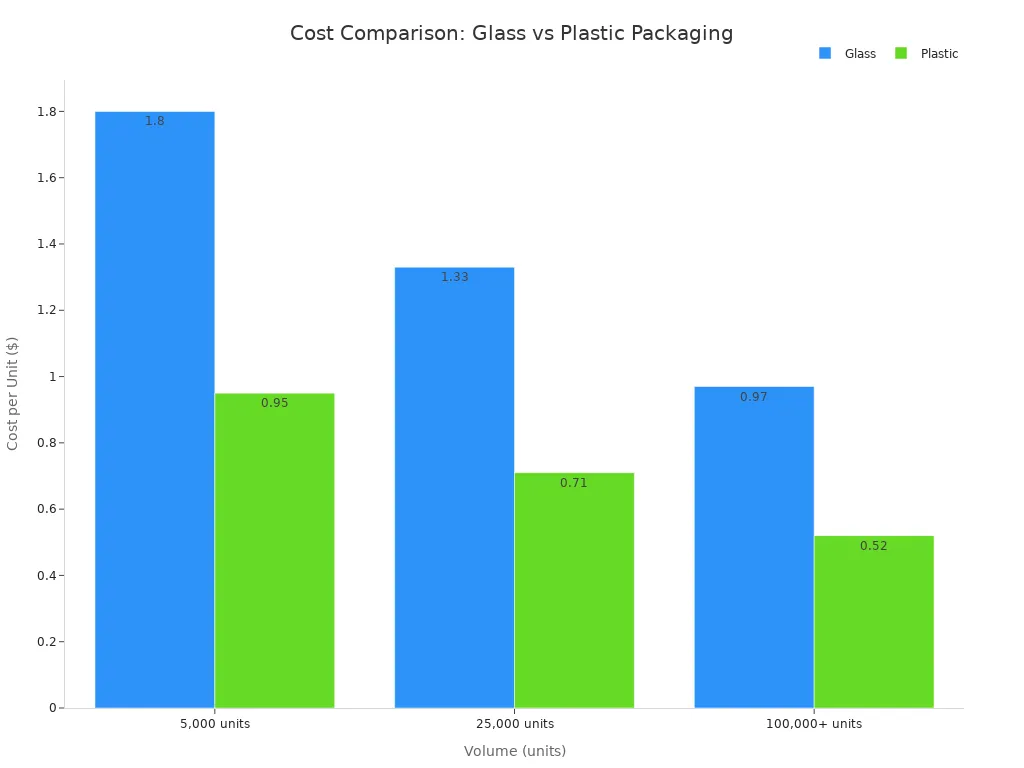
Per Lisson, questa differenza di costo rappresenta un compromesso strategico. Si investe in un packaging per prodotti per la cura della pelle in vetro di alta qualità che preserva i prodotti e offre una sensazione eccezionale. L'esperienza di lusso giustifica il prezzo più elevato per coloro che danno priorità all'integrità del prodotto.
La scelta del metodo di erogazione influenza la tua routine quotidiana di cura della pelle. Un contagocce in vetro offre un controllo preciso per i sieri, permettendoti di dosare gocce esatte. Tuttavia, ogni utilizzo espone il prodotto all'aria, e l'ossidazione degrada lentamente ingredienti delicati come la vitamina C.
Una pompa airless impedisce completamente l'ingresso dell'aria. Mantiene la stabilità degli ingredienti molto più a lungo. Riduce drasticamente il rischio di contaminazione. Tuttavia, le pompe airless contengono componenti in plastica che complicano le operazioni di riciclaggio.
Caratteristica | Flaconi con pompa airless | Flaconi contagocce |
|---|---|---|
Esposizione all'aria | Impedisce l'ingresso dell'aria | Espone il prodotto ad ogni utilizzo |
Prevenzione dell'ossidazione | Protegge dalla degradazione | Rischio di degrado più elevato |
Scarti di prodotto | Riduce significativamente gli sprechi | Lascia alcuni prodotti irraggiungibili |
Stabilità degli ingredienti | Mantiene una stabilità più lunga | minore stabilità |
Rischio di contaminazione | Rischio ridotto | Rischio più elevato |
La differenza si nota chiaramente grazie ai principi attivi:
Tipo di imballaggio | Perdita di potenza dopo 6 mesi | Modifiche visive |
|---|---|---|
Pompa airless (Vitamina C) | Perdita minima | Nessun cambiamento |
Bottiglia tradizionale (Vitamina C) | Perdita significativa | Colore marrone |
I contagocce in vetro rimangono lo standard per i prodotti di bellezza di alta gamma. Accettare una certa esposizione all'aria è un rituale che garantisce un'applicazione precisa. Scegli flaconi in vetro per i tuoi sieri quotidiani, dove il contagocce ti offre l'esperienza che desideri.
Il vetro rimane la scelta migliore per preservare i principi attivi più efficaci e ridurre al minimo l'esposizione a sostanze chimiche. Scegliendo il vetro per i sieri da utilizzare quotidianamente, tuteli l'integrità del tuo prodotto. Questa scelta, inoltre, rafforza la fiducia dei consumatori grazie alla qualità e alla durata visibili. La plastica è ancora adatta per esigenze pratiche come articoli da viaggio e borse da palestra. Puoi conciliare l'impatto ambientale con la praticità attraverso scelte consapevoli. Scegli il vetro per le tue creme idratanti e i trattamenti quotidiani. Scegli la plastica per la protezione solare da portare sempre con te, senza sensi di colpa. Le tue scelte in termini di sostenibilità contano più della perfezione. Marchi come Lisson dimostrano che lusso e design ecocompatibile possono coesistere armoniosamente. I loro flaconi in vetro per la cura della pelle dimostrano che non è necessario sacrificare l'estetica per la sostenibilità. Ogni acquisto influenza la tua routine e il futuro del pianeta. Fai in modo che ogni scelta di packaging conti.
Funziona indefinitamente senza perdita di qualità. È possibile riciclare le bottiglie tramite i programmi di raccolta differenziata porta a porta. Questo processo di riciclo supporta i principi dell'economia circolare. Scegliere imballaggi in vetro riduce significativamente i rifiuti.
Il vetro offre una sostenibilità superiore grazie al suo riciclo infinito. Il riciclo della plastica spesso comporta un declassamento del materiale. Tuttavia, presenta problemi di peso durante il trasporto. Questo peso crea un compromesso in termini di sostenibilità. Il tuo impatto complessivo dipende dall'infrastruttura di riciclo.
Sì. Previene il rilascio di sostanze chimiche e blocca l'ossigeno. Questo protegge l'integrità dei cosmetici, soprattutto quelli con formule delicate. Gli imballaggi in plastica, infatti, possono assorbire odori nel tempo. Mantiene la purezza del prodotto.
Non è biodegradabile. Non si decompone naturalmente. Tuttavia, è riciclabile e riutilizzabile all'infinito. I materiali biodegradabili si decompongono una sola volta. Mantengono la loro qualità anche dopo innumerevoli cicli di riciclo. Scegli imballaggi riciclabili.
Scegli il vetro per i tuoi sieri quotidiani e le formule attive. La plastica è adatta ai prodotti in formato da viaggio. Dai priorità al riciclo per entrambi i materiali. Le tue scelte in fatto di cosmetici influenzano il tuo impatto ambientale. Un packaging sostenibile inizia con decisioni consapevoli in materia di riciclo e sostenibilità.
WhatsApp : +86 15099958531
E-mail : lissontube@gzlisson.com
Telefono : +0086 15099958531